HIPAA-Compliant Revenue Cycle Management for Specialty Healthcare Providers

DME & HME RCM

DME Medical Billing Services & HME RCM Solutions

We help DME/HME providers stabilize intake, control authorizations, and systematically recover aging AR so revenue moves consistently from referral to reimbursement.

For DME providers who want operational control and accountability not basic billing.

Aayur Corporate Image

THE REAL DME CHALLENGE

Why DME Revenue Breaks Even When Billing Is Active

Claims move, but cash flow stalls when revenue breaks between intake, authorization, and AR ownership not at billing.

WHY GENERIC BILLING FAILS DME

Why Standard Billing Services Fall Short For DME

DME cannot be managed with generic billing workflows. The revenue cycle breaks because DME requires control across intake, authorization, and AR not isolated billing tasks.

Healthcare Billing Graphic
Medical Solutions Image

INTAKE & AUTH CONTROLS THAT PROTECT REVENUE

Clean Intake And Authorization Set The Stage For Collections

Most DME AR problems start before claims are submitted.

When intake and authorizations aren’t controlled upfront, billing and AR teams spend months fixing issues that could have been prevented.

THE AAYUR DME RCM APPROACH

End-To-End DME RCM With AR As The Core Focus

DME revenue doesn’t fail at claims submission it fails when ownership breaks across the cycle.

Our AR-led approach is designed to control revenue from intake through final resolution.

We assign ownership before claims are submitted not after AR ages.

Front-End Control

Clean Claims

AR & Denial Management

Ongoing Visibility

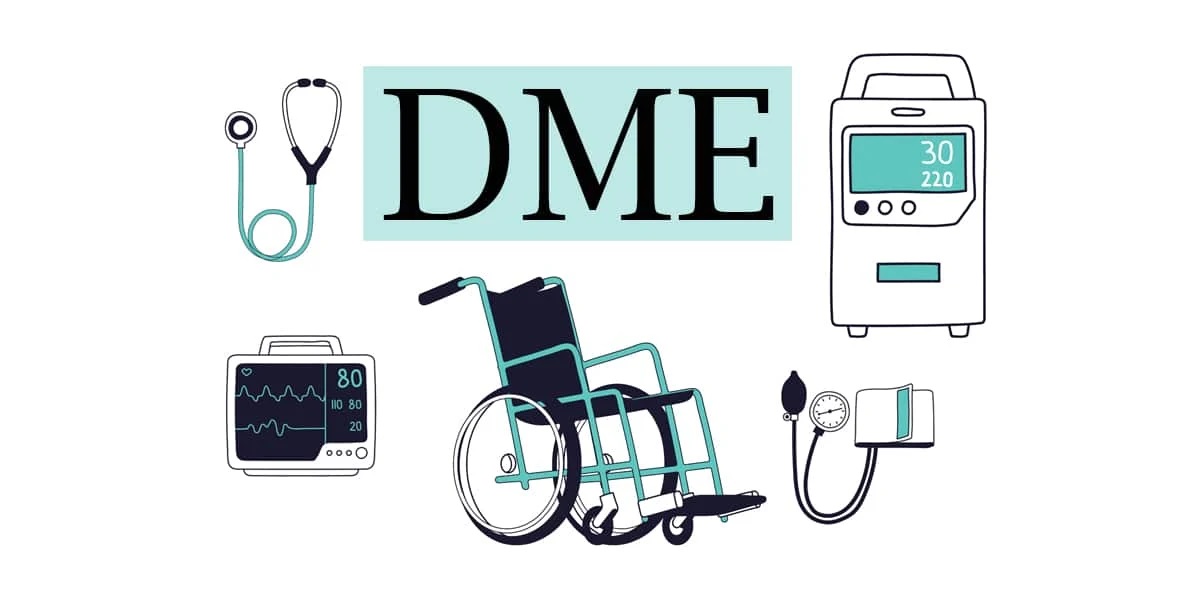
DME & HME Equipment Categories We Bill For

We handle billing across the full DMEPOS spectrum:

Respiratory Equipment

Mobility Equipment

Monitoring & Therapeutic Equipment

Prosthetics, Orthotics & Supplies

DME and HME equipment categories covered by Aayur Solutions billing services

DME Billing Modifier Expertise That Keeps Claims Moving

Correct modifier usage is critical to successful DME billing. Even when the HCPCS code is accurate, an incorrect or missing modifier can result in claim denials, payment delays, unnecessary appeals, and increased accounts receivable. At Aayur Solutions, our DME billing specialists apply Medicare DMEPOS, DME MAC, LCD/NCD, and commercial payer modifier guidelines to ensure every claim is submitted accurately and compliantly. For a deeper look at modifiers, denials, and documentation rules, see our complete DME billing guide.

Modifier CategoryCommon ModifiersOur Expertise
Equipment BillingNU, UE, RR, RA, RB, MS New equipment, used equipment, rentals, replacements, replacement parts, and maintenance billing.
Medical Necessity & DocumentationKX, CG, EY Validate physician orders, medical necessity, Standard Written Orders (SWO), and required documentation before submission.
Rental Billing LifecycleKH, KI, KJ Manage capped rental schedules, recurring billing, rental month tracking, and reimbursement timelines.
Beneficiary ElectionsBP, BR, BU Ensure beneficiary purchase or rental elections are accurately documented and billed.
ABN & Medicare ComplianceGA, GX, GY, GZ Review Advance Beneficiary Notices (ABNs) and apply the correct modifiers to support Medicare compliance and reduce avoidable denials.
Anatomical & Specialty BillingRT, LT, E1–E4 Apply laterality and anatomical modifiers where required for compliant billing.

Whether you’re billing CPAP equipment, oxygen therapy, wheelchairs, hospital beds, enteral nutrition, diabetic supplies, orthotics, prosthetics, urological supplies, wound care products, or other DMEPOS, our specialists ensure every claim is reviewed for modifier accuracy before submission—helping providers maximize reimbursement while reducing billing risk.

Measured Outcome

Typical Outcomes For DME Providers after stabilization

What providers typically see after intake, authorization, and AR workflows are stabilized and consistently owned.

Reduction in AR Days
20–3 0 %
Clean Claim Rate
90-9 5 %
Denial Rate
4- 7 %
Net Collection Rate
92-9 6 %

Results vary by payer mix, documentation quality, and service complexity.

We measure success by what gets paid not what gets billed.

In-House DME Billing vs. Outsourcing to Aayur Solutions

In-House TeamAayur Solutions
Coding expertiseGeneral billersDMEPOS-dedicated specialists
2026 CMS updatesManual tracking, delayedReal-time workflow updates
Prior auth managementOften missed or delayedTracked order-to-approval
Average denial rate15–22% (industry avg)Target under 5%
Average AR days45–65 days (industry avg)Target under 30 days
Cost structureSalary + benefits + training% of collections only
ScalabilityLimited by headcountScales with your volume
Aayur Support Icon

COMPLIANCE & TRUST

Built For Compliance-Heavy DME Environments

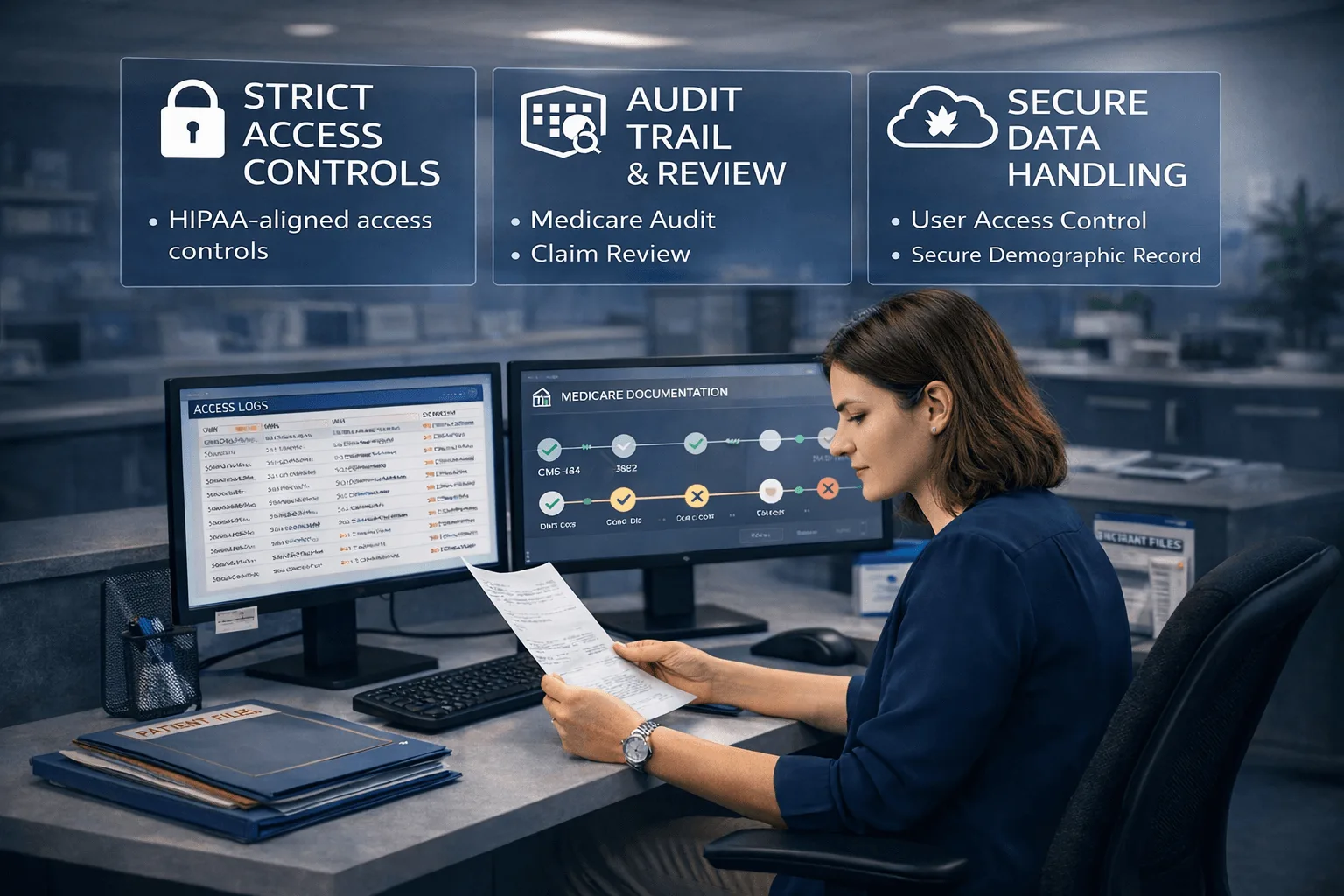
DME revenue operations must withstand audits, documentation reviews, and payer scrutiny not just submit claims.

2026 CMS Changes Every DME Supplier Must Know

CMS made the most sweeping DMEPOS changes in recent history for 2026:

We update our billing workflows the day CMS publishes changes. Your revenue is protected before your competitors finish reading the memo.

DME Supplier Changes

HOW WE WORK

A Simple Engagement Model DME Providers Trust

Designed to stabilize revenue first then improve it systematically without disrupting operations or compliance discipline

process arrow 1 1
1_icon 101

Assess

Baseline KPIs, payer mix, intake, auth gaps

process arrow 1 1
3_icon02

Stabilize

Fix urgent AR aging and denial leakage

process arrow 1 1
4_icon03

Standardize

Improve clean claims and reduce rework

Untitled 104

Governance

Monthly reporting and continuous oversight

You always know

OPERATIONAL ASSURANCE

Built for Continuity Not Just Day-One Billing

Revenue doesn’t stop for vacations, turnover, system changes, or volume spikes. Your RCM partner shouldn’t either.

Built-in coverage & continuity

Clear escalation & communication

Flexible operational support

Transition & data support

You don’t need a vendor built for ideal conditions.
You need a partner built for real operations.

Frequently Asked Questions - DME & HME Billing

What is DME billing and how is it different from regular medical billing?

DME billing uses HCPCS Level II codes — not CPT codes — with unique modifier requirements for purchase vs. rental equipment, capped rental cycles, and documentation requirements like Certificates of Medical Necessity (CMNs). Medicare Part B governs most DME coverage under rules that are substantially different from physician or hospital billing.

The top denial reasons are: missing or incorrect modifiers (especially rental modifiers RU, RR, NU, and compliance modifier KX vs. GA), incomplete prior authorization, documentation that doesn’t meet payer requirements (e.g., sleep study for CPAP, face-to-face for oxygen), and billing errors related to capped rental cycles.

Yes. We manage the full prior authorization process  submitting clinical documentation, tracking payer approvals, and flagging any lapse before equipment is delivered. This is especially critical for power wheelchairs, CPAP, oxygen, and the 7 new codes added to CMS’s 2026 required PA list.

We track every rental from month 1 and flag the transition point from rental billing to maintenance-and-supply-only billing before it happens. This prevents both overbilling and missed billing at the cap — one of the most common and costly errors in DME billing.

We submit to Medicare Part B through all four DME MACs (CGS, Noridian, Palmetto GBA, and WPS), Medicaid across multiple states, and 30+ commercial payers including United Healthcare, Aetna, Cigna, Humana, and all major BCBS plans.

 Most suppliers are fully onboarded within 5–7 business days. We handle system setup, and your operations continue without interruption while we take over the billing side.

 We charge a percentage of net collections — no flat fees, no per-claim charges. You pay only when we collect revenue for you. Pricing is based on your monthly volume and equipment mix.

Yes. AR recovery is a core service. We audit your aging claims, identify recoverable denials, and work them in parallel with ongoing billing. Most suppliers recover 60–80% of outstanding AR within the first 90 days.